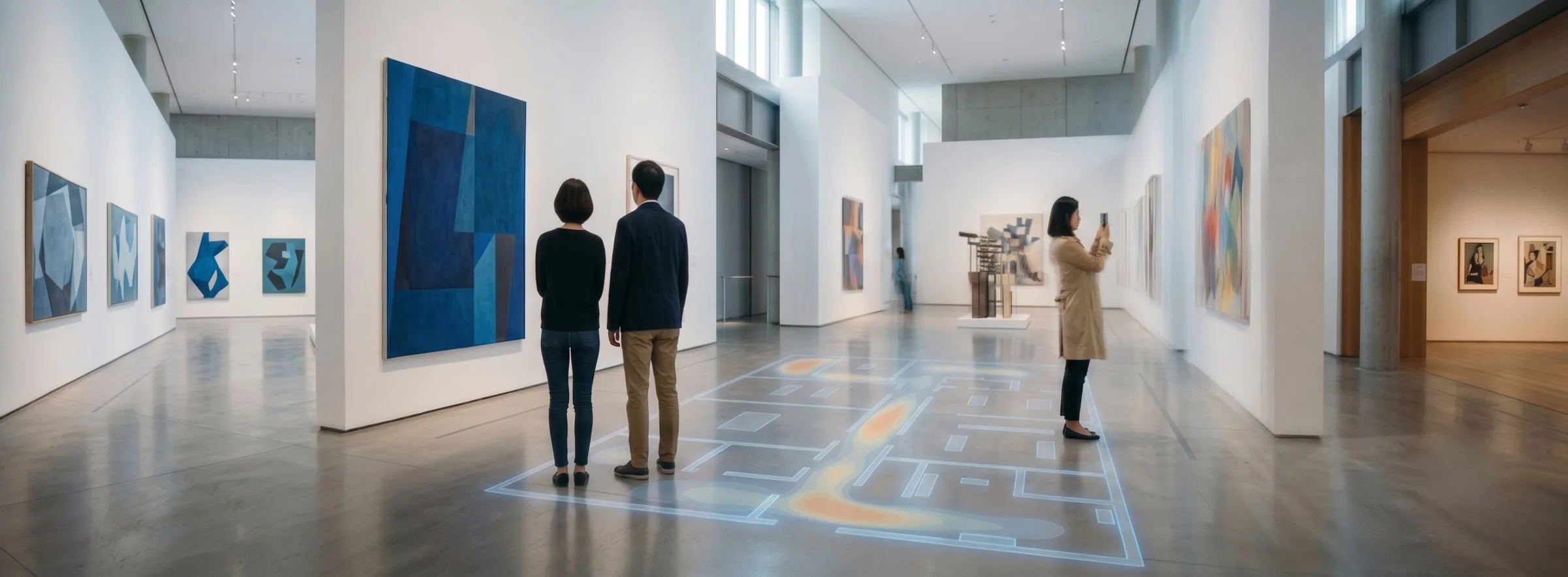
Museum Indoor Wayfinding & Visitor Flow Analytics System
P-Square delivers an RTLS positioning solution for museums, galleries and convention centres. BLE beacon smartphone positioning provides visitors with exhibit guidance and indoor navigation, while heat maps, dwell-time analysis and trajectory replay quantify how attractive each gallery actually is — objective evidence for curation and circulation design. The same system supports restricted-zone alerts for storage and conservation areas and asset tracking for high-value exhibits.
Pain Points and Solutions by Unit
| Unit | Pain Point | Solution |
|---|---|---|
| Curation / Operations | There is no data on which exhibits genuinely attract visitors or how long they stay — curatorial success is judged by surveys alone. | Heat maps quantify visitor density by gallery; dwell-time analysis reveals the real drawing power of each area, informing the next exhibition. |
| Visitor Services | Paper maps make galleries hard to find, and guided tours cannot cover off-peak hours. | Turn-by-turn smartphone navigation; multilingual commentary pushed automatically as visitors approach an exhibit. |
| Collection Security | Storage, conservation and back-of-house areas must be protected from accidental visitor entry. | Restricted zones raise an immediate alert when a tag enters; historical records can be queried to reconstruct an incident. |
| Exhibit Management | Special-exhibition logistics and inter-museum loans require tracking and handover records. | Asset tags on exhibit crates provide live location and trajectory replay, preserving a complete movement record. |
System Applications

Visitors, guides and exhibits shown live on the gallery floor plan.
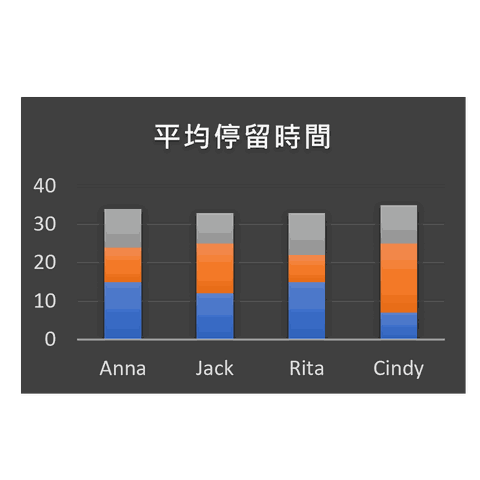
Heat maps, dwell time and circulation statistics per gallery.

Commentary, media and further reading pushed on approach to an exhibit.
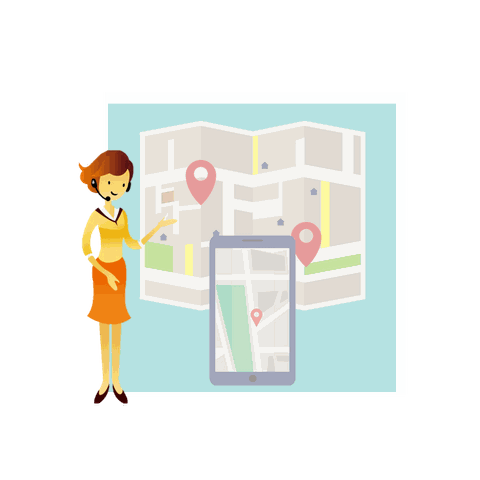
Turn-by-turn guidance to galleries, restrooms and cafés.

Visitor parking guidance and find-my-car.
Solution Modules
| Module | Positioning Technology | Accuracy / Coverage | Hardware | Core Value |
|---|---|---|---|---|
| Visitor guidance | BLE beacon positioning | 1–3 m | Fixed beacons + visitor smartphone | Automatic exhibit commentary, indoor navigation, multilingual support |
| Flow & heat map analytics | BLE / Wi-Fi trajectories | Site-wide grid | Back-end software module | Heat maps, dwell time, trajectory replay, period-on-period comparison |
| Restricted-zone control | BLE | Room level | Staff / visitor badge tags | Immediate restricted-zone alerts and historical record queries |
| Exhibit asset tracking | BLE / UWB | Room level / 10–30 cm | Asset tags (crate-mountable) | Complete movement record for special exhibitions and loans |
Deployment Scenario & Measurable Indicators
Museums and Galleries — Turning Visitor Behaviour into Data
Positioning delivers value on two levels in a museum: a better experience for the visitor, and — for the operator — visitor behaviour converted into data. Heat maps and dwell-time analysis answer directly which gallery draws the most attention and where visitors drop off, questions that neither surveys nor ticket counts can resolve.
- Measurable: average dwell time per gallery and its variation by time of day.
- Measurable: circulation completion rate — the share of visitors who finish the recommended route.
- Measurable: open rate and interaction rate of commentary notifications.
- Measurable: number of accidental entries into restricted zones.
Note: the items above are recommended indicators; P-Square assists in defining baselines and measurement methods during assessment. The same back end also provides trajectory replay and layer switching, overlaying floor plans and gallery labels.
Frequently Asked Questions
Do visitors need to download an app?
Exhibitions change constantly — does the hardware need reinstalling each time?
How are heat maps and dwell time calculated?
Does collecting circulation data raise privacy concerns?
Turn Visitor Behaviour into Analysable Data
Contact the P-Square project team to plan positioning for exhibit guidance and circulation analytics.
Professional Consultation